


When it comes to investing in net lease properties, a key factor in assessing a potential tenant’s reliability is their credit rating. Credit ratings offer an independent evaluation of a tenant’s financial stability and their likelihood of meeting financial commitments. For real estate investors, particularly those in triple net lease (NNN) investments, credit ratings are critical in ensuring the stability and risk level of their investment. This article delves into what a credit rating is, how these ratings are determined, and why they are crucial for evaluating net lease tenants.
What is a Credit Rating?
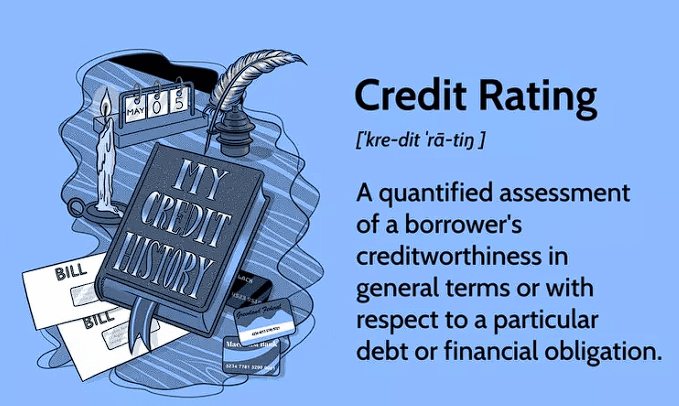
A credit rating is a professional assessment of an entity’s financial strength, evaluating its capacity to repay debts and fulfill financial obligations. Rating agencies such as Moody’s and S&P Global offer these ratings, which are essential for investors as they provide insight into the financial health of companies and predict the likelihood of default. In net lease real estate, the tenant’s credit rating directly impacts the investment’s risk profile, as a higher-rated tenant offers greater security in lease payments over the long term.
Credit ratings range from investment-grade ratings, indicating a high level of creditworthiness, to speculative-grade ratings, which reflect higher risk. A tenant’s credit rating will often appear in net lease tenant profiles, offering a quick snapshot of their reliability.
How Are Credit Ratings Determined?
Credit rating agencies assign ratings based on an extensive analysis of various financial and operational factors. This rating process is complex and highly regulated, focusing on both qualitative and quantitative data to evaluate an entity’s ability to meet financial obligations.
- Financial Health and Stability
- Financial performance metrics are the core foundation of any credit rating. Agencies examine a company’s profitability, cash flow stability, and debt management. Companies with strong revenue streams, low debt, and consistent profitability typically receive higher ratings.
- Debt ratios are particularly critical, as they reflect the level of leverage a company holds relative to its equity. High debt-to-equity ratios often lower a rating, as they imply greater financial vulnerability.
- Industry and Market Position
- A tenant’s position in their industry and the market’s competitiveness are also factored in. Companies operating in volatile or highly competitive industries may face lower ratings, while companies with robust market positions (such as well-established brands or industry leaders) tend to fare better.
- Market trends, regulatory shifts, and economic conditions in the tenant sector influence ratings, as they indicate potential growth or risk factors affecting future earnings.
- Operational Efficiency and Management Quality
- A company’s operational efficiency and the quality of its management team significantly impact its creditworthiness. Rating agencies evaluate corporate governance structures, management experience, and operational resilience.
- Efficiency ratios, such as asset turnover or inventory management efficiency, are indicators of how well a company utilizes its resources and navigates challenges, affecting its credit profile.
- Credit History and Debt Maturity Profile
- A tenant’s history of debt repayment and maturity schedule of current debt obligations are important factors. A company with a proven track record of meeting debt payments on time is more likely to have a strong credit rating.
- The timing of debt maturities also matters; companies with staggered debt obligations face less financial strain than those with large amounts of debt due in the near term.
- Economic Conditions and Interest Rate Sensitivity
- The economic climate, including inflation rates, interest rate trends, and currency stability, impacts a company’s rating. High-interest rate environments can challenge companies with substantial debt, affecting their credit ratings.
- Companies with high sensitivity to economic downturns may see lower ratings, especially in sectors where consumer demand can fluctuate significantly based on economic conditions.
For more insights, explore Moody’s Credit Ratings Overview and S&P Global’s Guide to Understanding Credit Ratings for a deeper look at the rating process.
Credit Ratings in Net Lease Tenant Selection
Credit ratings provide an invaluable tool for NNN investors looking to minimize risk. By analyzing tenant profiles and credit ratings, investors can make more informed decisions about tenant selection, thereby enhancing the security of their returns. Here’s how credit ratings specifically impact net lease investments:
Stability and Predictability of Cash Flow
- High-rated tenants typically offer stable, predictable cash flows, which is vital for net lease investors relying on steady income over the long term. Tenants with strong credit ratings are more likely to meet rental obligations and adhere to lease terms, reducing the risk of vacancies or rent defaults.
Lower Risk of Tenant Turnover
- Investment-grade tenants are usually financially stable and committed to long-term occupancy, lowering the risk of turnover and vacancy. This is particularly beneficial in net lease investments where property turnover can be costly and time-consuming.
Increased Property Value
- Properties leased to tenants with high credit ratings are generally more attractive to future buyers and investors, as they represent lower risk and consistent income potential. This can lead to a higher property resale value if the investor decides to exit the investment.
Favorable Financing Terms
- Properties leased to high-credit tenants may qualify for more favorable loan terms. Lenders see investment-grade tenants as low-risk occupants, which can result in lower interest rates or enhanced financing options for the investor.
Brisky’s Net Lease Tenant Profiles and Credit Ratings
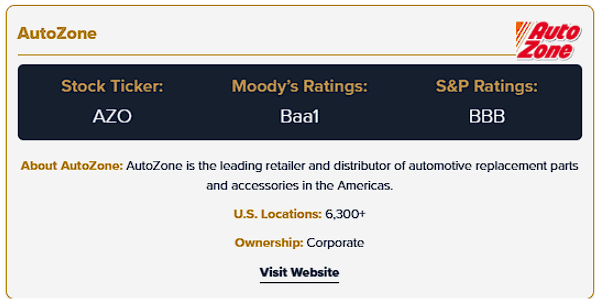
To support investors in selecting financially sound tenants, Brisky’s Net Lease Tenant Profiles page offers detailed insights into various tenants’ credit ratings, financial health, and market presence. This resource provides a quick reference to understand each tenant’s creditworthiness and how they fit within an investor’s risk tolerance. By showcasing these tenant profiles, Brisky simplifies the evaluation process, enabling investors to focus on tenants with stable financial outlooks and favorable credit histories.
The tenant profiles page includes:
- Current credit ratings from reputable agencies like Moody’s and S&P Global, providing a snapshot of each tenant’s financial position.
- General company information, including market position, industry presence, and financial stability indicators, to help investors assess long-term viability.
- Rating histories and trends that show whether a tenant’s credit rating has remained stable, improved, or declined over time, giving insight into potential risks or growth prospects.
This page acts as a comprehensive guide, combining credit data with essential background information to help investors make informed decisions about their next net lease investment.
Why Credit Ratings Should Matter to Net Lease Investors
Incorporating credit ratings into the tenant evaluation process is critical for successful net lease investment. Higher-rated tenants not only offer greater security for consistent income but also enhance the investment’s overall stability. Ratings serve as an independent check on tenants’ financial health, providing transparency that can help mitigate risk and improve the investment’s performance over time.
Whether you are new to NNN investments or an experienced investor, tenant credit ratings offer invaluable guidance in navigating tenant risks. They serve as a reliable indicator of potential issues and give insight into the expected performance of the asset throughout the lease term.
Making Informed Net Lease Investments

For investors seeking secure and reliable income, analyzing tenant credit ratings is a fundamental step. Through Brisky’s Net Lease Tenant Profiles, investors can easily access the credit ratings and financial backgrounds of potential tenants, simplifying the tenant selection process. By choosing tenants with strong ratings and stable financial outlooks, investors can lower their risk exposure and optimize the long-term value of their net lease properties.
For more on how credit ratings can enhance your investment strategy, feel free to reach out to our team at Brisky for expert guidance and support.