

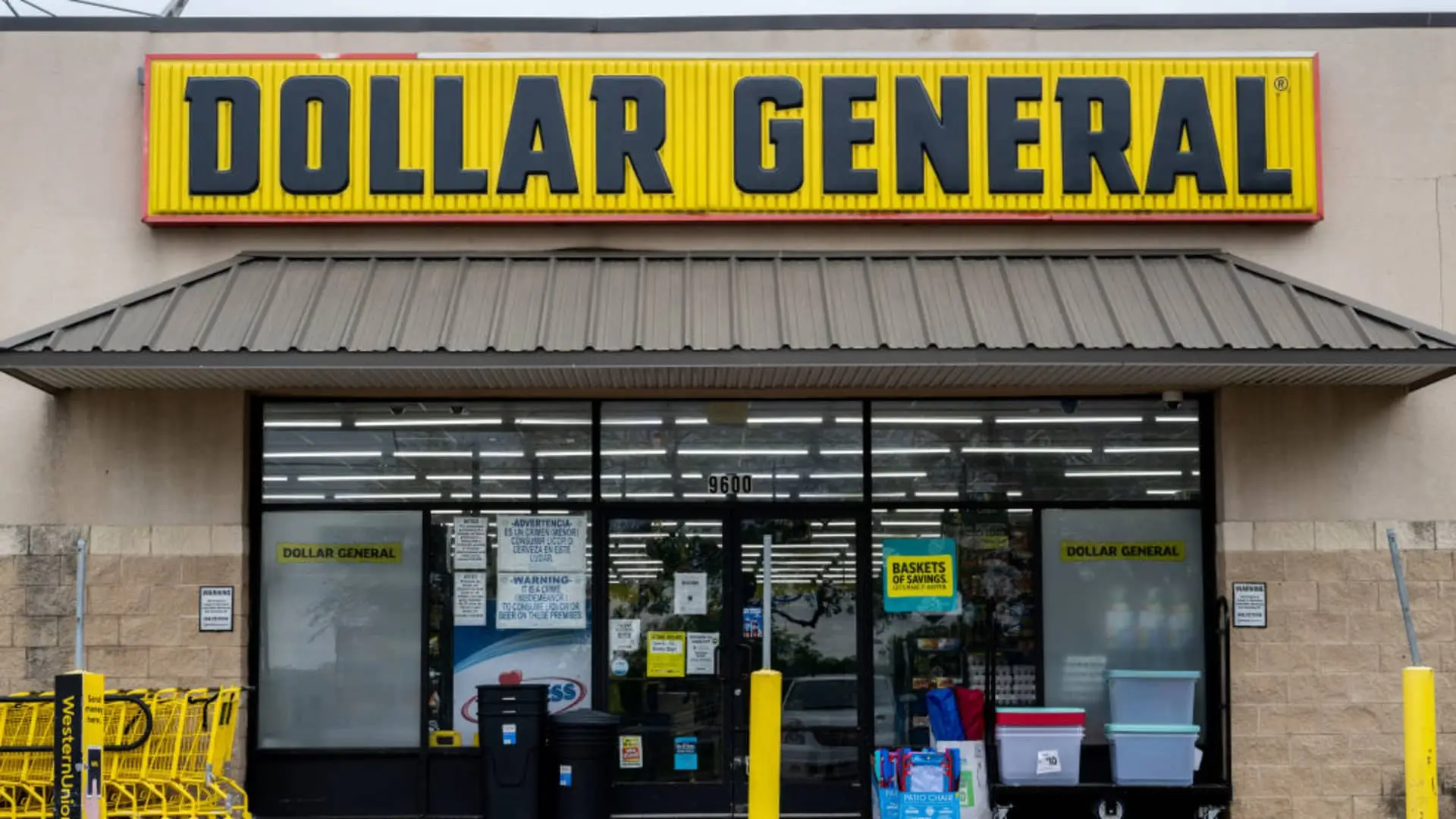
Inflation has become a pressing concern across various sectors, and the dollar store industry is no exception. As prices rise, both consumers and investors are keen to understand how these changes impact triple net lease (NNN) investments associated with dollar stores. This article delves into the effects of inflation on dollar stores and the subsequent implications for NNN investors.
Understanding the Dollar Store Business Model
Dollar stores, including prominent chains like Dollar General, Dollar Tree, and Family Dollar, operate on a high-volume, low-margin model. They offer a wide array of household essentials, food items, and other products at competitive prices, catering primarily to cost-conscious consumers. This business model has historically thrived during economic downturns, as consumers seek more affordable shopping options.
Inflation’s Impact on Dollar Stores
Rising Operational Costs
Inflation leads to increased costs for goods, transportation, and labor. For dollar stores, which rely on keeping prices low, these rising operational expenses can squeeze profit margins. Supply chain disruptions and higher raw material costs further exacerbate the situation, making it challenging to maintain the traditional pricing structure.
Consumer Behavior Shifts

As inflation erodes purchasing power, consumers may alter their spending habits. While some may turn to dollar stores seeking bargains, others might reduce overall discretionary spending, affecting sales volumes. Additionally, cuts to government assistance programs, such as food stamps, can reduce the disposable income of core dollar store customers, leading to decreased sales.
Store Closures and Strategic Adjustments
In response to these challenges, some dollar store chains have announced store closures and strategic shifts. For instance, Dollar Tree plans to shutter approximately 15% of its Family Dollar locations, equating to around 1,000 stores, due to profitability concerns amid rising costs and changing consumer behaviors.
Implications for NNN Investors
Lease Structures and Rent Escalations
NNN leases typically make tenants responsible for property taxes, insurance, and maintenance, providing stable income for investors. However, fixed rental rates without adequate escalation clauses can be problematic during inflationary periods. If rent escalations are not aligned with inflation rates, the real value of rental income may decline over time.
Property Valuations and Cap Rates
Inflation often leads to higher interest rates, which can result in increased capitalization (cap) rates and subsequently lower property valuations. For dollar store NNN properties, cap rates have experienced fluctuations. For example, cap rates for Dollar General stores have risen from approximately 6.1% in early 2023 to around 6.5% later in the year, reflecting broader market adjustments.
Tenant Creditworthiness
The financial health of dollar store chains directly impacts NNN investments. Store closures and declining profit margins can signal potential risks. Investors should monitor tenant performance closely, as a tenant’s inability to meet lease obligations can lead to vacancies and increased re-leasing costs.
Mitigating Inflation Risks in NNN Investments
Incorporate Inflation-Linked Rent Escalations
To safeguard against inflation, investors should consider leases with rent escalation clauses tied to the Consumer Price Index (CPI). This approach ensures that rental income maintains its purchasing power over time.
Assessing Tenant Stability
Conduct thorough due diligence on the financial health and strategic direction of dollar store tenants. Understanding how chains like Dollar General and Dollar Tree are adapting to inflationary pressures can provide insights into the long-term viability of the investment.
Evaluate Location and Market Conditions
Properties in areas with strong economic fundamentals and growing populations are more likely to retain value and attract new tenants if necessary. Investors should prioritize locations with favorable demographics and limited competition.
Navigating Inflation in Dollar Store NNN Investments
Inflation presents both challenges and opportunities for NNN investors in the dollar store sector. While rising costs and shifting consumer behaviors can impact tenant performance, strategic lease structuring and diligent market analysis can mitigate risks. By incorporating inflation-adjusted rent escalations, assessing tenant stability, and focusing on prime locations, investors can position themselves to maintain stable returns even in inflationary environments.
For more insights into dollar store investments and NNN lease opportunities, visit Brisky’s Services page.