

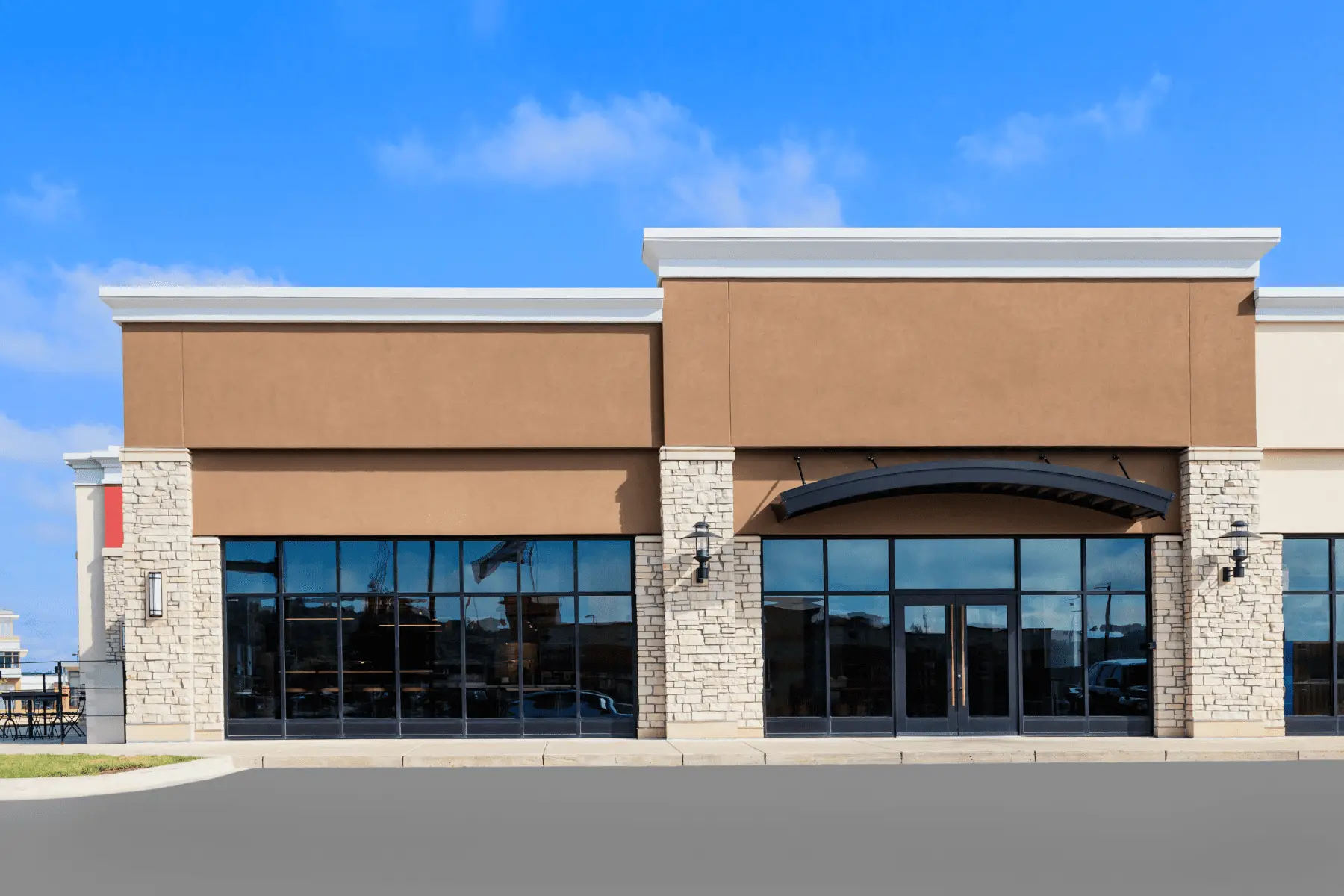
The Impact of E-Commerce
The retail landscape is undergoing rapid evolution, driven by the growing dominance of e-commerce and shifting consumer preferences. Despite the challenges posed by online shopping, brick-and-mortar stores continue to adapt and find new ways to stay relevant in an increasingly digital world. This article explores the predicted future of physical retail stores and the significant influence of e-commerce on their trajectory.
How E-Commerce is Reshaping Retail
E-commerce has redefined convenience and accessibility for consumers, fundamentally transforming how people shop. The rise of platforms like Amazon, Shopify, and direct-to-consumer brands has heightened expectations for quick delivery and personalized experiences.
Advantages of E-Commerce Over Traditional Retail
- 24/7 Availability: Online stores operate around the clock, meeting customer demand at any hour.
- Broad Selection: E-commerce platforms often feature a broader inventory than physical stores, catering to niche markets.
- Data-Driven Insights: Retailers leverage online analytics to understand consumer behavior and optimize their offerings.
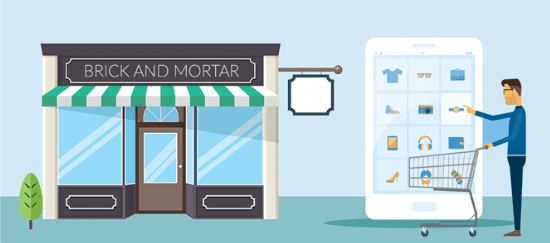
While e-commerce excels in convenience, it doesn’t fully replace the value of physical stores, which remain critical for in-person experiences, immediate purchases, and brand engagement.
Brick-and-Mortar Resilience: Key Trends Shaping the Future
Contrary to the narrative that e-commerce will entirely replace traditional retail, physical stores are making a comeback with innovative strategies. Retail foot traffic is predicted to return to pre-pandemic levels, as highlighted in a recent analysis by GlobeSt.
Experiential Retail
Experiential retail focuses on creating immersive and engaging in-store experiences that customers can’t replicate online. From interactive displays to in-store events, retailers are transforming shopping into a social and memorable activity.
Omni-Channel Integration
The integration of online and offline channels allows businesses to meet customers wherever they are. Click-and-collect options, for instance, provide the convenience of e-commerce with the immediacy of in-store pickup.
Repurposing Retail Spaces
With the rise of flexible work arrangements and changing urban landscapes, retailers are reimagining their physical spaces. Some are converting stores into community hubs, mini-warehouses, or showrooms for online-first brands.
Challenges Facing Brick-and-Mortar Retail
Physical stores face undeniable challenges in the era of e-commerce, requiring creative solutions to maintain profitability.
Rising Operating Costs
Costs associated with rent, utilities, and labor continue to rise, pressuring retailers to operate efficiently. However, some landlords are offering flexible leases or incorporating revenue-sharing models to attract tenants.
Changing Consumer Preferences
Today’s consumers demand seamless shopping experiences, favoring brands that offer personalized service, easy returns, and sustainable practices.
E-Commerce’s Encroachment on Traditional Categories
Categories like electronics, apparel, and home goods have seen significant migration to online channels, leaving brick-and-mortar retailers in these sectors particularly vulnerable.
How E-Commerce Benefits and Challenges Physical Retail
E-commerce can also complement physical stores when used strategically. According to CrowdStreet, online sales channels can boost a retailer’s reach and efficiency, while in-store interactions enhance brand loyalty and customer trust.

The Symbiotic Relationship Between Online and Offline Retail
- Increased Brand Visibility: An online presence drives foot traffic to physical stores, particularly for product launches or promotions.
- Improved Inventory Management: Retailers use online data to optimize in-store stock, reducing waste and improving the customer experience.
- Enhanced Customer Journey: A seamless transition between digital and physical channels fosters trust and satisfaction.
At the same time, e-commerce has created new competitive pressures, requiring brick-and-mortar stores to differentiate themselves with exceptional service and unique experiences.
Retail Spending Trends and Consumer Behavior in 2024
As consumer preferences evolve, spending trends point toward a hybrid retail future. According to Chain Store Age, shoppers are increasingly budget-conscious but still prioritize value and convenience. This trend underscores the importance of flexibility for retailers, both online and offline.
Key Takeaways on Spending Trends
- Sustainability Matters: Consumers favor brands committed to ethical practices and sustainability, influencing both product offerings and store designs.
- Convenience is King: Simplified purchasing processes and streamlined delivery or pickup options continue to drive loyalty.
- Value-Driven Decisions: Inflationary pressures mean shoppers prioritize competitive pricing alongside quality.
What Lies Ahead for Brick-and-Mortar Retail?
The future of brick-and-mortar retail is far from bleak. Instead, it’s one of transformation and innovation. Physical stores that invest in technology, adapt to consumer trends, and embrace omni-channel strategies will thrive in this evolving landscape.
The Role of Technology in Retail Evolution
Advancements like augmented reality (AR), smart shelves, and “cashierless” checkouts are becoming standard in retail stores, offering a modernized shopping experience. Additionally, AI-driven tools allow for hyper-personalized recommendations, further bridging the gap between online and offline shopping.
Collaboration Between Stakeholders
Landlords, retailers, and tech providers must work together to create flexible spaces and enhance retail environments. These partnerships will help meet the needs of a new generation of consumers.
A Hybrid Future for Retail
Brick-and-mortar retail isn’t disappearing; it’s adapting. By combining the strengths of physical stores with the convenience of e-commerce, the retail industry is moving toward a hybrid model that prioritizes consumer choice, flexibility, and innovation. Businesses that embrace these changes will secure their position in the future of retail.
To learn more about commercial real estate opportunities in the evolving retail landscape, visit Brisky’s Services page or browse our NNN Inventory for investment options that align with the future of retail.