

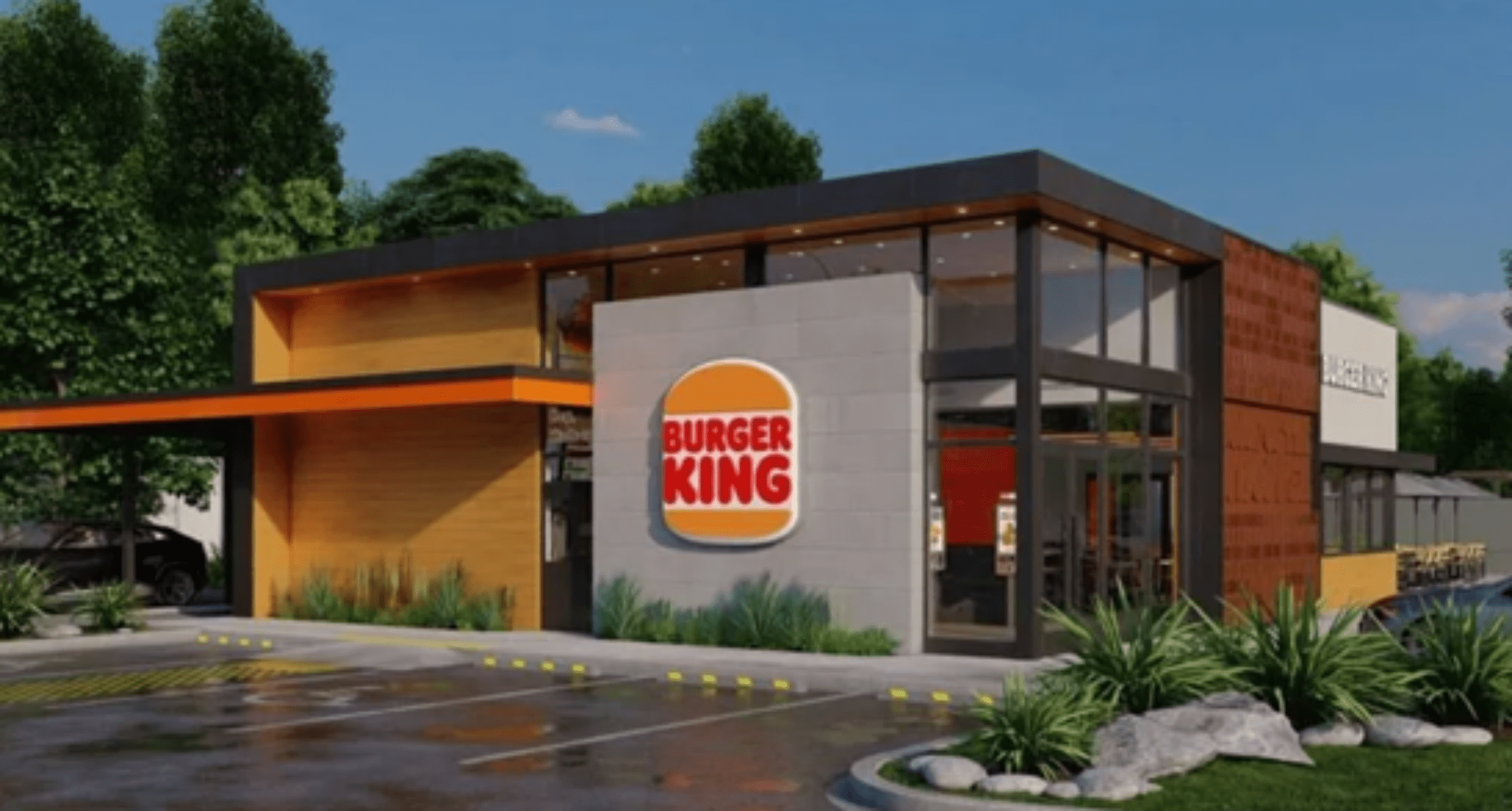
Burger King is embarking on one of the most ambitious restaurant upgrade programs in the quick-service restaurant (QSR) industry. The company plans to remodel thousands of locations across the United States by 2028, part of its broader strategy to modernize stores, improve customer experience, and strengthen franchisee performance.
For commercial real estate investors—particularly those focused on triple net lease (NNN) properties—this large-scale reinvestment campaign signals a significant opportunity.
Restaurant upgrades often lead to longer lease commitments, improved tenant credit stability, stronger traffic, and increased property value. For investors seeking stable cash-flowing assets, the Burger King remodel initiative could create a new wave of attractive acquisition opportunities.
In this article, we’ll break down the remodel strategy, explain how it affects NNN investments, and answer the most important questions investors are asking.
Why Is Burger King Remodeling Thousands of Stores?
Burger King’s remodel program is part of its long-term turnaround strategy known as “Reclaim the Flame.” The initiative includes store upgrades, digital ordering improvements, drive-thru enhancements, and improved restaurant layouts.
Key goals of the remodel initiative
- Modernize aging locations
- Improve drive-thru efficiency
- Expand digital ordering and kiosks
- Increase franchisee profitability
- Strengthen brand competitiveness
Many Burger King restaurants were built 20–30 years ago and upgrading them helps the chain remain competitive with modern QSR concepts.
Remodeled locations often include:
- Updated exterior designs
- Digital ordering kiosks
- Double drive-thru lanes
- Mobile pickup areas
- Enhanced kitchen equipment
- Improved dining areas
These upgrades are designed to increase throughput and sales, which benefits both franchise operators and property owners.
What Does the Burger King Remodel Plan Include?
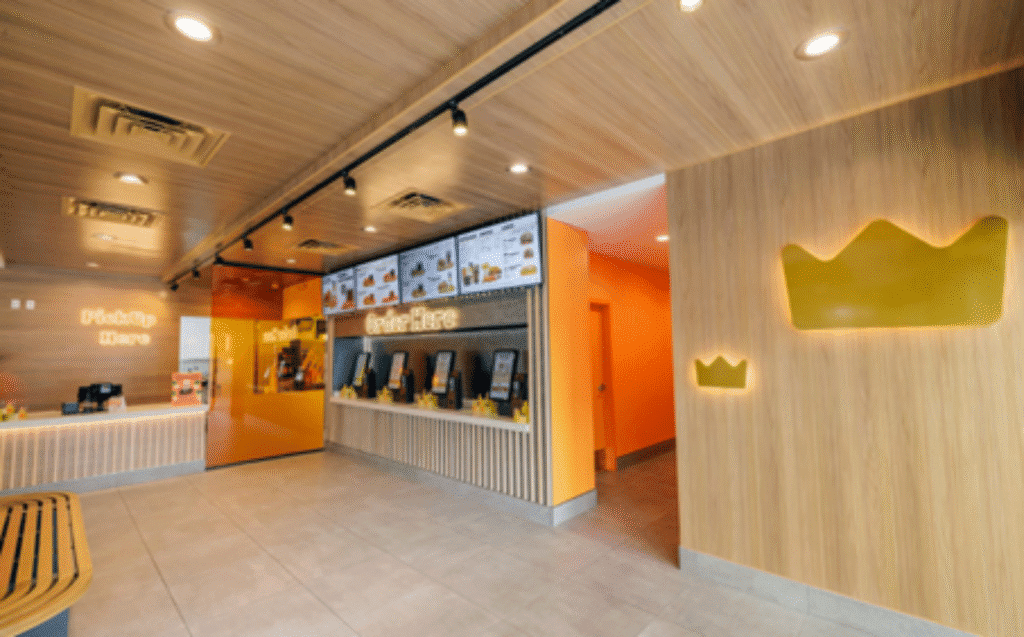
The remodel initiative includes hundreds of store renovations each year, with the goal of modernizing thousands of restaurants nationwide by 2028.
According to industry reporting and restaurant trade publications, the plan includes:
- Large-scale restaurant remodels
- Relocations to higher-traffic areas
- Drive-thru focused redesigns
- Technology upgrades
Franchisees receive financial incentives to complete these remodels, helping accelerate adoption across the system.
For CRE investors, these renovations often coincide with:
- Lease extensions
- Property upgrades
- Capital reinvestment by tenants
- Increased sales volumes
These factors make remodeled locations more attractive investment properties.
Why Do Restaurant Remodels Matter for CRE Investors?
Restaurant remodel cycles are one of the most important indicators of long-term tenant commitment.
When a tenant invests hundreds of thousands—or even millions—into a location, it signals confidence in the site’s future performance.
Key investment signals from a remodel
- Tenant intends to stay long term
- Strong location performance
- Increased customer traffic potential
- Higher property valuation potential
For investors specializing in net lease retail, remodel programs often precede lease renewals or extensions, improving asset stability.
Investors looking for properties with strong tenant commitment often browse curated opportunities through platforms like https://brisky.com where NNN restaurant listings are aggregated.
How Do Burger King NNN Leases Typically Work?
Burger King locations are commonly structured as triple net lease (NNN) investments, which means the tenant pays most property expenses.
Typical expenses covered by the tenant include:
- Property taxes
- Insurance
- Maintenance
- Repairs
This structure provides predictable cash flow for investors.
Typical lease structure
- 10–20 year base lease
- Multiple renewal options
- Corporate or franchisee guarantee
- Annual rent increases (1–2%)
These characteristics make QSR properties popular among investors seeking stable passive income.
What Does the Remodel Strategy Mean for Property Values?
A remodeled restaurant can significantly impact property valuation.
Commercial real estate values are often determined using capitalization rates (cap rates).
When a tenant invests heavily in a location, it may:
- Increase investor demand
- Lower perceived risk
- Compress cap rates
- Increase sale prices
For example:
| Scenario | Cap Rate | Value (example $200K NOI) |
| Older location | 7.5% | $2.67M |
| Remodeled location | 6.25% | $3.2M |
Even small cap rate compression can significantly increase asset value.
What Questions Are Investors Asking About the Burger King Remodel Plan?
Search engines increasingly prioritize question-driven content, so here are the key questions investors are asking.
Q: How many Burger King stores will be remodeled?
The company aims to remodel thousands of U.S. locations by 2028, with hundreds of renovations happening annually as part of its modernization program.
Q: Why is Burger King investing in remodels now?
The brand is upgrading older restaurants to compete with modern quick-service chains that emphasize digital ordering, faster drive-thrus, and updated interiors.
Q: Do remodeled stores perform better?
Yes. Many remodeled QSR locations see improvements in:
- Sales volume
- Customer traffic
- Drive-thru efficiency
- Digital order volume
These improvements help franchisees generate stronger revenue.
Q: Are Burger King properties good NNN investments?
Burger King properties are widely considered solid entry-level NNN investments because they offer:
- National brand recognition
- Long lease terms
- Consistent consumer demand
- Essential retail classification
However, investors should always analyze tenant strength and location quality.
Q: Who owns most Burger King locations?
Most restaurants are franchise-owned, meaning independent operators lease the real estate or own the building while operating under the Burger King brand.
Q: How much does a Burger King remodel cost?
Remodel costs vary but can range from $300,000 to over $1 million, depending on the scope of upgrades and building age.
This capital investment demonstrates long-term commitment to the site.
Q: Do remodels extend the lease?
Often they do.
Many remodel agreements coincide with:
- Lease extensions
- New 10–20 year terms
- Additional renewal options
For investors, this reduces rollover risk.
Q: Will remodels create new investment inventory?
Yes. As franchisees upgrade properties, some owners choose to sell the real estate, creating new NNN investment opportunities on the market.
These properties often appear on specialized CRE listing platforms such as https://brisky.com/inventory.
How Does the Burger King Remodel Plan Compare to Other QSR Brands?
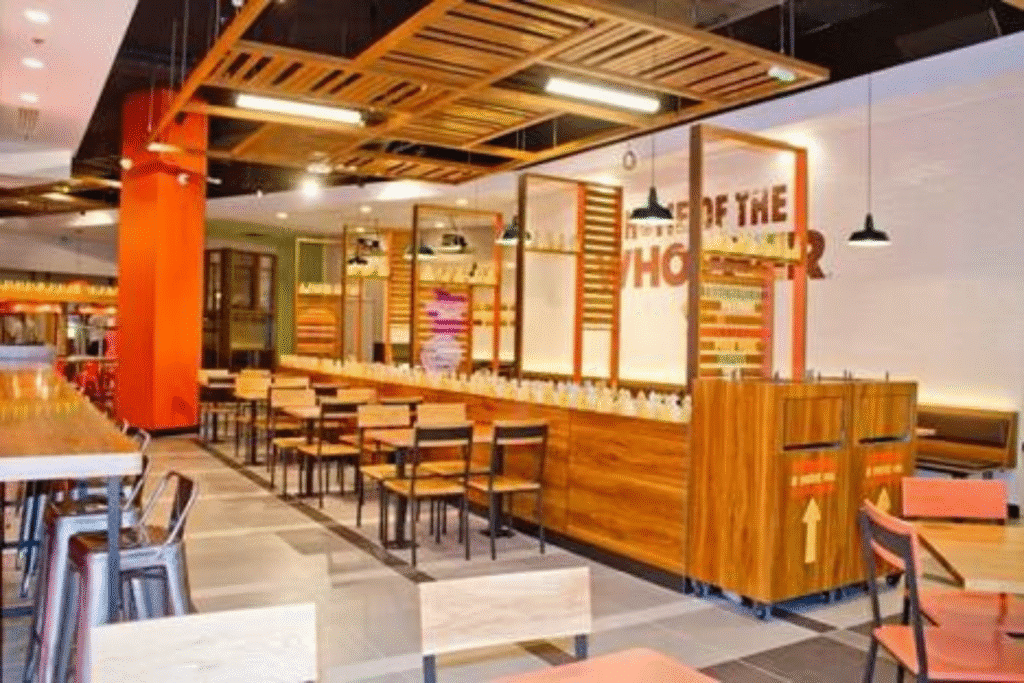
Major QSR chains frequently go through remodel cycles every 10–20 years.
Examples include:
- McDonald’s “Experience of the Future”
- Taco Bell modern drive-thru designs
- Wendy’s digital ordering upgrades
Burger King’s current modernization effort brings the brand in line with these industry changes.
For investors, widespread remodel programs often signal a brand reinvestment phase, which typically strengthens long-term real estate performance.
What Should Investors Look for in a Burger King NNN Property?
Not all locations are equal.
When evaluating Burger King real estate opportunities, investors should analyze:
- Lease Term Remaining
Longer lease terms reduce risk.
- Franchisee Strength
Some franchise operators own dozens or even hundreds of restaurants, making them stronger tenants.
- Location Quality
Look for:
- High traffic counts
- Strong retail corridors
- Drive-thru accessibility
- Nearby population density
- Rent-to-Sales Ratio
A healthy ratio suggests sustainable operations.
Could the Remodel Plan Trigger a Wave of NNN Investment Sales?
Large-scale restaurant upgrades often lead to increased investment activity.
Reasons include:
- Franchisees selling real estate to raise capital
- Investors seeking newly upgraded assets
- Brokers marketing “freshly remodeled” properties
This pattern has occurred during previous QSR remodel cycles.
For investors actively seeking opportunities, platforms like https://brisky.com/services provide guidance on evaluating NNN assets.
The Future of Burger King Real Estate
Burger King’s modernization plan represents a major reinvestment in the brand’s physical footprint.
The strategy focuses on:
- Faster drive-thrus
- Improved customer experience
- Digital ordering integration
- Stronger franchise economics
For commercial real estate investors, these initiatives are meaningful signals.
When a national restaurant brand commits to upgrading thousands of locations, it reinforces the long-term viability of its real estate network.
Why the Burger King Remodel Plan Is Important for NNN Investors
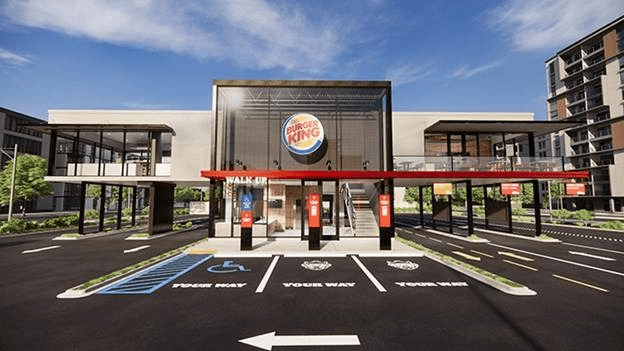
Burger King’s plan to remodel thousands of restaurants by 2028 highlights a major shift toward modernization in the quick-service restaurant sector.
For commercial real estate investors, this initiative presents several opportunities:
- Newly renovated NNN assets entering the market
- Longer lease commitments from tenants
- Increased property values driven by reinvestment
- Stronger franchisee performance
As the remodel program accelerates, investors may see more Burger King properties become available for acquisition, particularly those backed by fresh capital improvements and extended leases.