

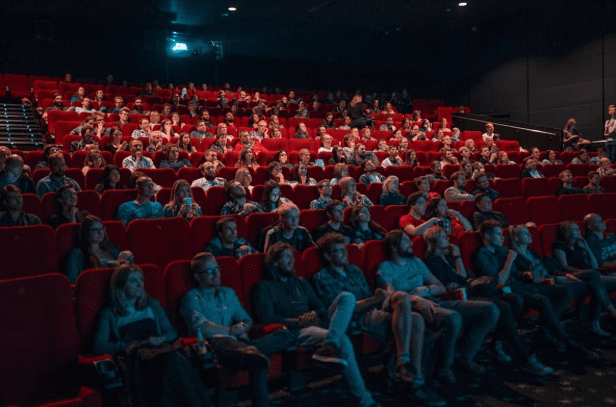
The movie theater industry has been on a remarkable evolutionary path since the COVID‑19 pandemic upended entertainment habits. Once written off as a relic of the past in the face of streaming platforms and pandemic shutdowns, theaters are now reinventing themselves with innovative experiences and renewed business strategies that are helping audiences return to the big screen. For commercial real estate investors, particularly those focused on Triple Net (NNN) leases, evolving theater models offer compelling stability and income potential. Below, we explore how theaters are making a comeback in 2026 and why they remain attractive NNN investment opportunities.
How Movie Theaters Are Reinventing the Cinema Experience
-
Major Upgrades and Premium Experiences
Large cinema chains are investing hundreds of millions in upgrades designed to enhance the in‑theater experience. AMC Theatres, the world’s largest chain, plans to spend $200 million this year on modernizing theaters with plush recliner seating, laser projection, and other high‑end amenities as part of a multi‑year investment strategy to attract patrons back to theaters.
These improvements align with broader industry trends showing that premium amenities and immersive formats such as IMAX, Dolby Cinema, and 4DX are key drawcards that differentiate cinema from home viewing.
-
Enhanced Food, Beverage, and Social Spaces
Moviegoing is shifting from just watching films to a full entertainment outing. Concessions are evolving well beyond popcorn and soda — with theaters showcasing gourmet snacks, artisanal beverages, and themed items at trade shows and industry events to entice moviegoers and increase per‑guest spend.
Several operators are also expanding social spaces within theaters, including bars, lounges, and dine‑in concepts that turn a simple movie night into a more curated outing.
-
Diverse and Event‑Driven Content
Theaters are capitalizing on broader uses of their screens and venues — from live concerts and sports broadcasts to genre‑specific programming and community events. This provides more revenue streams outside of traditional film showings and helps theaters appeal to a wider audience.
Boutique and independent cinemas — such as cinematic “series nights,” local film showcases, and special seasonal events — reinforce the idea that theaters can be cultural hubs, not just movie venues.
-
Tech‑Forward Enhancements and Digital Integration
Modern theaters are embracing technology for improved convenience and engagement. Online ticketing, digital concessions ordering, loyalty programs, and personalized offers help streamline the customer experience and build repeat business.
Box Office and Attendance Trends: Signs of Recovery

After several challenging post‑pandemic years, there are encouraging signals that moviegoing is regaining momentum:
- Industry data show North American box office revenue climbed to about $8.9 billion in 2025, reflecting ongoing recovery.
- Forecasts for 2026 project low double‑digit revenue growth, with a strong slate of releases driving attendance gains.
- Although attendance levels haven’t fully returned to pre‑2019 norms, the combination of premium experiences and a rich film calendar is stimulating renewed consumer interest.
The Triple Net (NNN) Lease Advantage for Theater Investors
What Is a Triple Net Lease?
In a Triple Net Lease (NNN) arrangement, tenants — such as cinema operators — are responsible for property taxes, insurance, and maintenance, in addition to base rent. This structure provides investors with predictable, largely passive income, reduced management responsibility, and long‑term cash flow visibility.
Why Theaters Under NNN Leases Can Be Good Investments
-
Long‑Term, Stable Income
NNN leases often come with extended lease terms (commonly 10–25 years), and theaters with strong brands or established market presence can secure tenants who are committed to occupancy for extended periods — a major plus for long‑term investors.
-
Tenant‑Managed Properties Reduce Landlord Burden
Since theater tenants under NNN leases typically manage operating expenses and upkeep, investors enjoy hands‑off ownership with fewer surprises and more predictable net income.
-
Resilience and Diversification
Theaters evolve to offer event‑driven and diversified revenue streams — from premium format ticketing to expanded concessions and social spaces. These transformations can support tenancy viability even in fluctuating entertainment landscapes, potentially making such assets more resilient compared to traditional retail.
-
Inflation Protection Through Escalations
Many NNN leases include rent escalations tied to inflation or contractual increases — helping cash flow keep pace with rising costs over time.
Theaters Today Are More Than Screens — They’re Experiential Real Estate
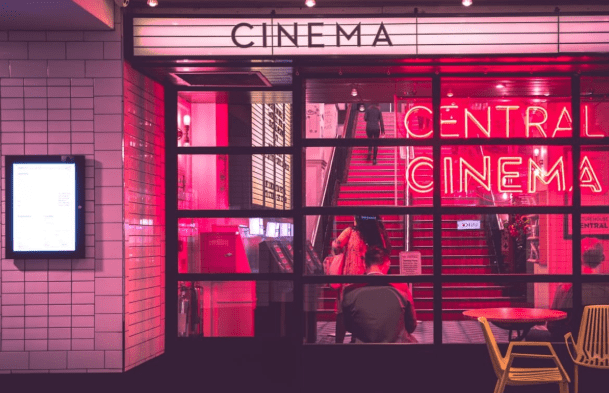
The movie theater industry has adjusted to post‑pandemic realities by reimagining the cinema experience and making strategic investments in amenities that entice audiences back. Enhanced concession offerings, premium viewing formats, community‑oriented programming, and tech‑driven improvements are not just trends — they reflect a broader shift toward entertainment destinations rather than just screening rooms.
For commercial real estate investors seeking stable, long‑term income with reduced landlord responsibilities, theater properties under Triple Net leases offer a compelling proposition. Their ability to adapt — paired with predictable lease structures and diversified revenue potential — positions movie theaters as strong candidates in a balanced NNN investment portfolio.