


A Strategic Investment in Economic Downturns
In times of economic uncertainty, investors seek assets that offer stability and predictable returns. Triple Net (NNN) lease properties, particularly those occupied by recession-resistant tenants, have proven to be resilient investments during downturns. This article explores the benefits of NNN lease tenants during recessions and highlights why they are considered strategic assets for investors.
Stability Through Recession-Resistant Tenants
Recession-resistant tenants are businesses that provide essential goods or services, maintaining consistent demand regardless of economic conditions. Examples include grocery stores, pharmacies, discount retailers, and quick-service restaurants (QSRs). These tenants are less likely to experience significant revenue declines during recessions, ensuring they can meet lease obligations.
Key Characteristics of Recession-Resistant Tenants
- Essential Services: Businesses like healthcare providers and grocery stores offer indispensable services.
- Strong Credit Profiles: National chains often have robust financials, reducing default risk.
- Long-Term Leases: Extended lease terms provide income stability for landlords.
- Minimal Management: NNN leases transfer most property responsibilities to tenants, reducing landlord involvement.
Benefits of Investing in NNN Properties with Recession-Resistant Tenants
Predictable Income Streams
NNN leases with recession-resistant tenants offer consistent rental income, even during economic downturns. The tenant’s responsibility for property expenses further stabilizes cash flows.
Lower Operational Risks
Landlords benefit from reduced operational responsibilities, as tenants handle maintenance, taxes, and insurance. This “hands-off” approach minimizes unexpected expenses and management efforts.
Portfolio Diversification
Including NNN properties with recession-resistant tenants in an investment portfolio adds diversification. These assets often have a low correlation with traditional investments, providing a hedge against market volatility.
Inflation Protection
Many NNN leases include rent escalation clauses tied to inflation indices, preserving the property’s income value over time. This feature helps investors maintain purchasing power during inflationary periods.
Notable Recession-Resistant Tenants
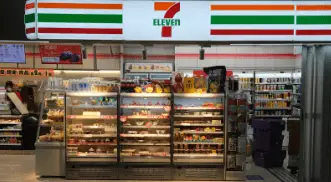
Investors often seek NNN properties leased to tenants with proven resilience during economic downturns. Some notable examples include:
- Dollar General: A discount retailer offering essential goods, known for strong performance in various economic conditions.
- Walgreens: A national pharmacy chain providing healthcare services and products.
- 7-Eleven: A convenience store chain with a broad customer base and essential offerings.
- McDonald’s: A leading QSR with a global presence and consistent demand.
- AutoZone: An automotive parts retailer catering to the ongoing need for vehicle maintenance.
These tenants typically have strong credit ratings and long-term lease commitments, making them attractive to investors seeking stability.
Strategic Advantages in Economic Downturns
Investing in NNN properties leased to recession-resistant tenants offers a compelling strategy for navigating economic downturns. The combination of predictable income, reduced operational responsibilities, and tenant stability provides investors with a resilient asset class. By focusing on essential service providers with strong financials, investors can enhance their portfolios’ performance during challenging economic times.
Understanding Triple Net Leases
A Triple Net (NNN) lease is a lease agreement where the tenant is responsible for paying property taxes, insurance, and maintenance costs, in addition to rent. This structure provides landlords with a steady income stream and reduces their operational responsibilities. NNN leases are commonly used in commercial real estate, especially for single-tenant properties occupied by national or regional businesses.