

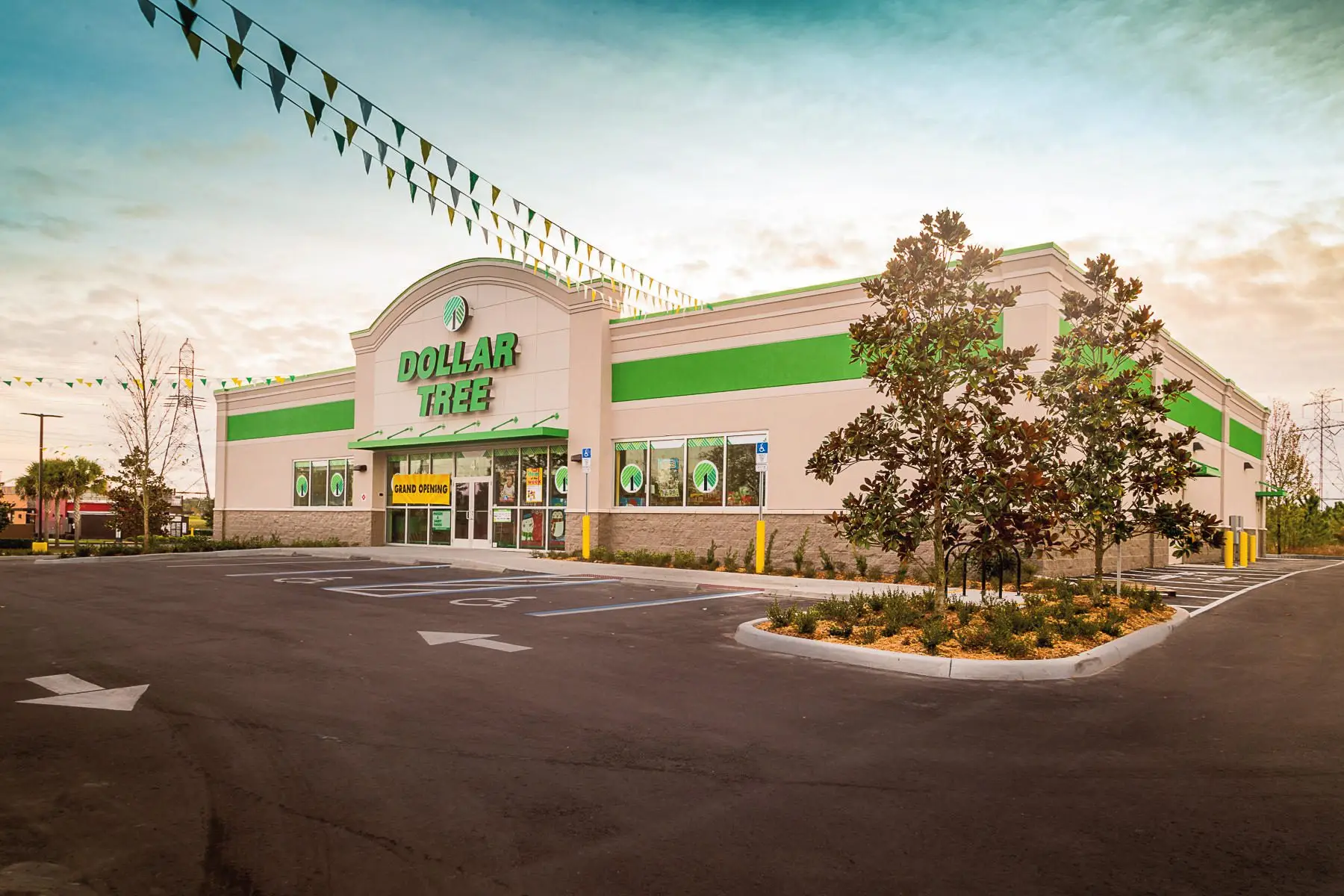
In a volatile global economy, even established retail giants like Dollar Tree face major pressure from shifting macroeconomic forces—none more impactful in recent years than the rising cost of tariffs on imported goods. For commercial real estate (CRE) investors, particularly those focused on triple net lease retail properties, understanding how essential tenants adapt to external shocks offers crucial insight for portfolio strategy.
Dollar Tree’s strategic navigation of tariff-related challenges has not only preserved its business model but also strengthened its long-term value as a net lease tenant. This article explores how their business adaptations impact risk assessment and investment stability for passive retail investors.
How Dollar Tree Adapted to Tariff Pressures
In 2025, Dollar Tree encountered mounting costs from U.S. tariffs on Chinese imports, directly threatening its low-price value proposition. Instead of transferring costs to consumers, Dollar Tree executed a multi-pronged approach to preserve margins and retain customer trust:
- Supply Chain Diversification
The company actively sourced more merchandise from outside China, minimizing overexposure to high-tariff imports. - SKU Optimization
Dollar Tree streamlined its product selection, removing higher-cost SKUs and replacing them with private-label and domestically sourced items. - Operational Efficiencies
By leveraging technology in inventory and logistics, the company lowered internal costs, offsetting tariff-related expenses and protecting earnings.
These steps allowed Dollar Tree to maintain pricing consistency and grow revenue, a sign of tenant resilience that should be noted by retail property investors. Dollar Tree’s response to tariffs was a textbook example of strategic adaptation in retail operations.
What This Means for CRE and Triple Net Lease Investors

- Tenant Resilience Drives Asset Value
For investors in triple net lease properties, tenant strength is paramount. Dollar Tree’s proactive model underscores its long-term lease viability—making it a reliable source of passive income for landlords who depend on stable rent with minimal operational responsibilities.
- Enhancing Portfolio Stability
A retail tenant’s ability to sustain operations during external economic stress—such as supply chain disruptions or global tariffs—reduces investor risk in long-term lease agreements. Properties leased to brands like Dollar Tree are more likely to maintain occupancy and rental income throughout market cycles.
- Favorable Valuation and Lending Conditions
The consistency of national discount retailers, particularly when backed by a corporate lease guarantee, can improve both asset valuation and financing terms. Lenders often favor properties leased to proven performers with national scale and high adaptability.
Location Strategy and Net Lease Performance
Dollar Tree’s real estate footprint focuses on suburban and rural communities, many of which are underserved by larger retailers. This hyper-local strategy has made Dollar Tree one of the most stable tenants in the discount retail sector.
As the brand expands its combo-store model with Family Dollar, investors gain exposure to broader demographics and multi-format consumer demand. According to a recent category insights report, enhanced merchandising and mobile tech adoption are strengthening store performance across its portfolio.
Additionally, delivery integrations with platforms like Uber Eats—a strategy being embraced across the dollar store segment—are boosting convenience and traffic. This reflects a broader trend in which dollar stores embrace last-mile delivery to compete in a tech-driven retail landscape.
Brisky’s Perspective for Investors

At Brisky, we specialize in connecting investors with income-producing CRE assets, including retail properties leased to nationally recognized brands like Dollar Tree. For clients seeking:
- Predictable, passive income
- Recession-resistant tenants
- Tax advantages through net lease structures
Dollar Tree remains a strong candidate for long-term acquisition.
Our advisory process identifies opportunities that align with your investment goals, balancing cash flow, tenant strength, and location growth potential.
Start Your Next Net Lease Investment
Dollar Tree’s ability to adapt to complex global pressures exemplifies the type of tenant investors should seek in a net lease structure. As demand for high-credit retail properties continues to rise, now is the time to explore options that fit your portfolio.