

What It Means for Retail Property Investors
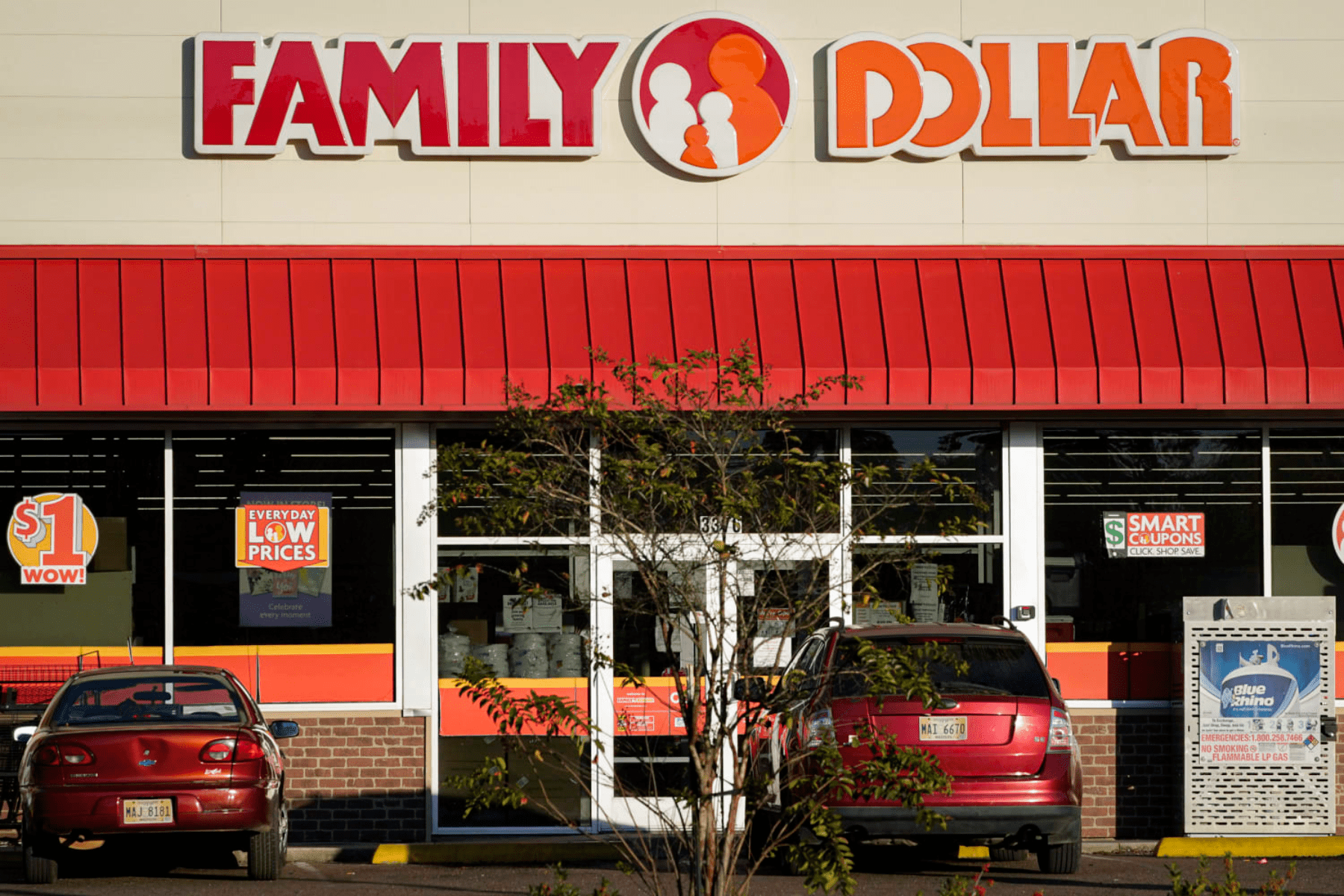
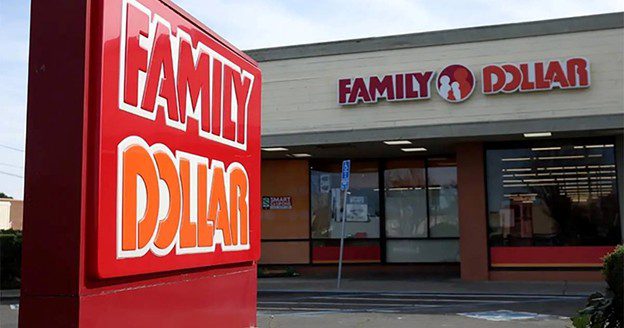
In May 2025, Family Dollar announced a strategic partnership to bring its product assortment onto the Uber Eats platform, making over 5,000 Family Dollar stores available for on‑demand or scheduled delivery. This move is more than a fulfillment play — it points to how delivery deals are altering consumer behavior, store economics, and the calculus for retail property investment. In this article, we examine how delivery partnerships like Family Dollar’s are reshaping the retail real estate paradigm, and how investors in triple net lease (NNN) retail assets should adjust their strategies accordingly.
The Family Dollar–Uber Eats Deal: What’s Happening and Why It Matters
Democratizing “retail” into on-demand convenience
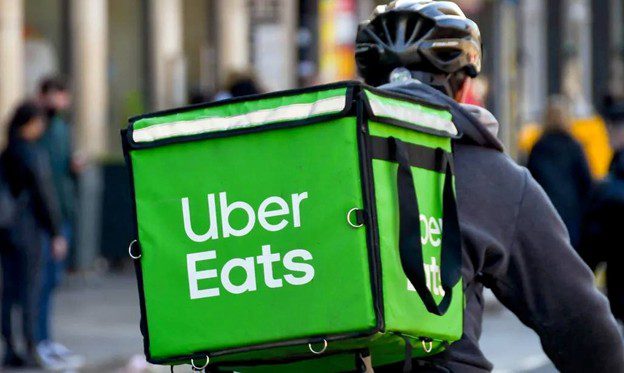
Through Uber Eats, customers can now order everyday essentials—cleaning supplies, pantry staples, baby care, beauty items—from Family Dollar’s network of stores. This positions each store as a potential micro‑fulfillment hub, seamlessly integrating physical retail footprints into digital commerce flows.
The deal is particularly potent in underserved and rural markets. Uber is explicitly expanding its reach beyond urban centers and partnering with low‑cost retail chains like Family Dollar to make the economics of last‑mile delivery more viable in these geographies. Also, because many Family Dollar customers already overlap with Uber’s user base, the platform sees potential in converting new users and expanding basket reach.
Impact on foot traffic and store footprint
One concern for retailers is whether fulfillment via delivery cannibalizes in-store visits. While that risk exists, early signals suggest a hybrid effect: new customers who first encounter Family Dollar via Uber Eats may shift to occasional in-store purchases for large‑format goods or impulse items. Moreover, underutilized stores—especially less trafficked ones—gain a new revenue stream without relying solely on physical footfall.
From a real estate perspective, stores in dense, walkable areas may see traffic declines, while less trafficked stores gain relative importance as nodes in the delivery network.
Operational & Logistic Implications For Retailers
To support this shift, retailers must adopt more agile inventory management, designate “dark inventory zones,” and integrate store-level picking workflows. In many cases, the store’s backroom or stockroom becomes a mini fulfillment center, which may require retrofits or re-layouts.
Because delivery is logistics-intensive, cost of procurement, labor, and last‑mile routing issues become more critical. Speed, accuracy, and consistency in order fulfillment become key performance metrics, analogous to e‑commerce operations.
How Delivery Deals Influence Retail Property Investment

For investors and advisors in NNN retail, delivery integrations like this represent a structural shift. Some of the critical impacts include:
1. Rise of fulfillment-enabled locations as a premium tenant class
Properties located in walkable, dense micro‑markets or with strong connectivity (good road access, minimal delivery constraints) will command a premium. Retail tenants now seek sites optimized not just for visibility, but for fulfillment flexibility (e.g. space for pick zones, clear delivery ingress/egress).
Hence, NNN retail assets that can accommodate delivery operations (dedicated loading zones, drive aisles, good ceiling heights, robust parking decks for courier staging) will be more attractive in leasing.
2. Rethinking cap rates, rent spreads, and risk profiles
Traditional retail properties have been punished in the capital markets due to e‑commerce disruption. But as retail tenants evolve into hybrid models (brick + delivery), investors may assign lower risk premiums to properties with fulfillment characteristics built in.
That said, management of the delivery interface introduces new risks: logistical disruptions, courier quality, delivery fees, returns, and reputational risks from delivery failures. Tenants may demand mitigation or performance clauses, which can influence lease structuring.
3. Stretching “retail” into industrial / logistics adjacencies
This blurring of boundaries means that some retail stores functionally become micro-distribution centers. Therefore, retail real estate investors must consider adjacency to logistics, synergy with last-mile warehouses, and potential conversion pathways. For instance, underperforming retail boxes might be repurposed for light logistics or dark store use.
Large institutional investors already signal a shift: private real estate firms highlight “mastering the last mile” as a core strategy in modernizing logistics real estate.
4. Tenant mix evolution: “needs-based” & service‑oriented tenants gain ground
If tenants like Family Dollar can successfully operate as omnichannel anchors, they strengthen the value of the supporting tenant mix. As noted in retail investment discourse, centers with service, necessity, and experiential tenants tend to resist e-commerce headwinds better.
Retail property owners must curate tenants who complement delivery-driven anchors (e.g. small clinics, gyms, laundromats, salons) rather than pure discretionary retail.
5. Lease structuring and performance linkage
Future NNN leases may embed delivery-related KPIs, such as minimum order volumes delivered, fulfillment accuracy, or service-level agreements. Landlords may seek participation in delivery revenue or cost sharing, particularly in redevelopment deals or repositioned assets.
Case Study Lessons & Comparables
- Dollar Stores Embrace Delivery
As reported by Modern Retail, discount chains like Family Dollar are partnering with delivery platforms like Uber Eats and DoorDash to expand reach, especially among younger, more digitally native customers. - Industry Commentary & Strategy
An Industry Leaders Magazine article outlines how the Uber Eats + Family Dollar deal is “reshaping the retail industry” by collapsing the geographic barrier between consumer and store. - Competitive Onboarding
The Retail Tech Innovation Hub notes that Wegmans and other retailers are similarly onboarding to Uber’s retail/delivery ecosystem, signaling this is not an isolated move.
These comparisons suggest that delivery partnerships are evolving from experimental trials to scalable components of modern omnichannel retailing.
Recommendations for Triple Net Lease Retail Investors
- Favor fulfillment‑friendly locations
Prioritize sites that already have or can be retrofitted with delivery staging zones, curbside access, and good ingress/egress. A store that can support both curbside pickup and inside order fulfillment commands a strategic premium. - Underwrite hybrid cash flow models
Don’t assume rent growth will solely derive from in-store sales. Model “delivery share,” fulfillment lift, and remote order traffic. Stress test for delivery cost volatility and logistics failure losses. - Design scalable leases with delivery incentives
Incorporate tenant options to expand fulfillment operations or convert portions of their space into pick zones. Consider revenue-sharing clauses tied to delivery volume or performance triggers. - Watch for store rationalization and closures
The shift to delivery may accelerate closures of low-performing locations. Investors need proactive asset management to reposition or repurpose vacated boxes (e.g. convert into micro-fulfillment, co‑warehousing, dark stores). - Blend retail with logistics adjacency
Seek to co-locate or synergize with last-mile warehouses, dark store operators, or 3PLs. Having exposure to both retail and logistics rent streams can create hedge-like portfolio resilience.
Delivery Deals Are Reshaping Retail Property Investing
Family Dollar’s Uber Eats partnership is emblematic of a broader trend: the dissolution of strict boundaries between physical and digital retail. For NNN retail investors, the key to navigating this evolution lies in recognizing retail assets as hybrid nodes in the delivery network and adjusting underwriting, leasing, and asset strategies accordingly.
Retail real estate that adapts to the delivery-first consumer will command a premium in capital markets. Those that do not may find themselves limited to being pure foot-traffic plays — vulnerable in a world that increasingly expects convenience at the doorstep.